Weapon 3D Model for Games: Design, Production, Outsourcing
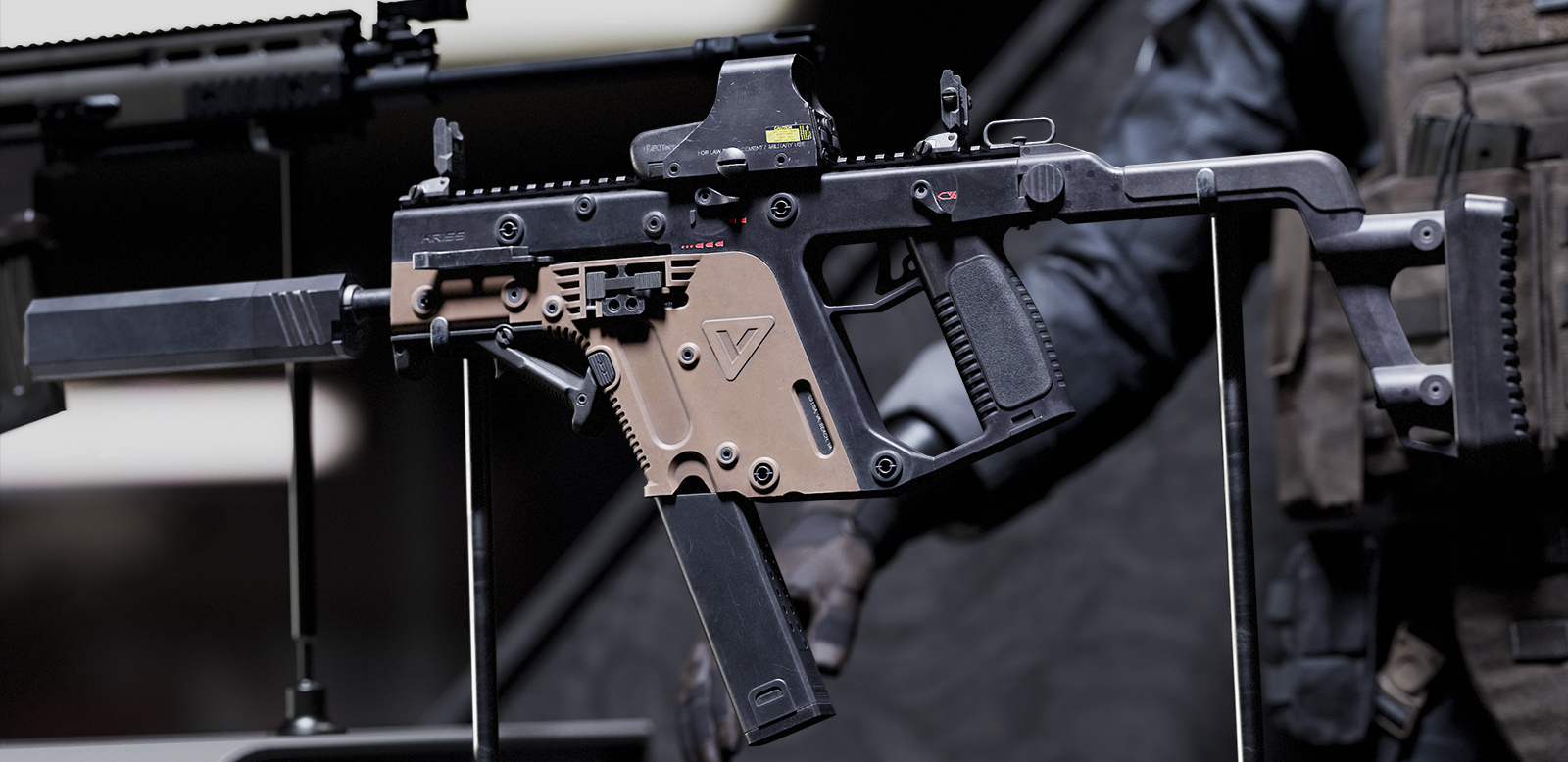
Weapons are among the most visually and mechanically important assets in game development. From firearms and melee weapons to fantasy artifacts and sci-fi armaments, they are not just tools but extensions of gameplay identity and player agency. A professional weapon 3d model must function flawlessly at the intersection of visual design, animation, performance, and gameplay systems, often under intense production constraints.
As modern games grow more complex and content-heavy, weapon assets are no longer produced as isolated objects. They must support customization, upgrades, multiple camera distances, and frequent content updates. This complexity explains why many studios rely on experienced external art partners to scale weapon production while maintaining consistency, technical accuracy, and visual impact.
The Role of Weapon 3D Models in Modern Game Development
Weapons as Core Gameplay Interfaces
In modern game development, weapons are not secondary decorative assets but primary gameplay interfaces that mediate almost every player interaction in combat-driven titles. In shooters, action RPGs, and hybrid genres, the weapon is constantly visible, repeatedly animated, and tightly coupled with input feedback. Its visual quality directly influences how responsive, powerful, and satisfying the game feels, often more than character models or environments.
Because of this constant exposure, weapon 3D models must withstand intense scrutiny. Players notice scale inconsistencies, awkward proportions, or material errors almost immediately, especially in first-person or over-the-shoulder perspectives. A well-built weapon reinforces muscle memory and gameplay rhythm, while a poorly executed one introduces friction and breaks immersion. This makes weapon modeling a gameplay-critical discipline rather than a purely visual task.
From a production standpoint, weapons must also integrate seamlessly with animation, VFX, sound design, and gameplay systems. Recoil, reload timing, muzzle effects, and attachment behavior all rely on clean geometry and predictable structure. Weapon artists therefore contribute directly to how combat systems feel, not just how they look.
Visual Identity and Genre Communication
Weapons are among the strongest visual signals a game can use to communicate genre, setting, and tone. A single weapon silhouette can instantly tell players whether they are entering a realistic military shooter, a stylized fantasy world, or a futuristic sci-fi universe. This makes weapon design a cornerstone of visual identity and brand recognition.
Consistency across weapon sets is especially important. Players subconsciously compare weapons within the same game, expecting shared design logic, believable progression, and coherent material language. When weapons feel visually disconnected or uneven in quality, the entire game world loses credibility. Strong art direction and disciplined execution are therefore essential throughout weapon production.
Beyond gameplay, weapons often appear prominently in marketing materials, trailers, thumbnails, and store pages. In many cases, a weapon becomes the most recognizable symbol of a game or franchise. High-quality weapon assets therefore serve both gameplay and promotional functions, amplifying their strategic importance within the overall production.
Technical Demands and Performance Constraints
Weapon 3D models face a unique combination of technical demands. They are frequently viewed at extremely close distances, rendered in motion, and layered with effects such as muzzle flashes, particles, and decals. At the same time, they must remain optimized to meet performance targets across platforms, including consoles, PCs, and mobile devices.
Balancing visual fidelity with performance is one of the hardest aspects of weapon modeling. Excessive polygon density or heavy materials can cause frame drops, while overly simplified assets reduce realism and impact. Weapon artists must make precise decisions about where detail matters most and where optimization is required, often under strict engine constraints.
These technical demands also extend to scalability. Weapons are rarely one-off assets; they often support variants, skins, attachments, and upgrades. A technically sound base model ensures that future content can be added without rework. This long-term thinking is what separates production-ready weapon assets from short-term solutions that accumulate technical debt over time.
Types of Weapon 3D Models Across Game Genres
Firearms in FPS and Tactical Games
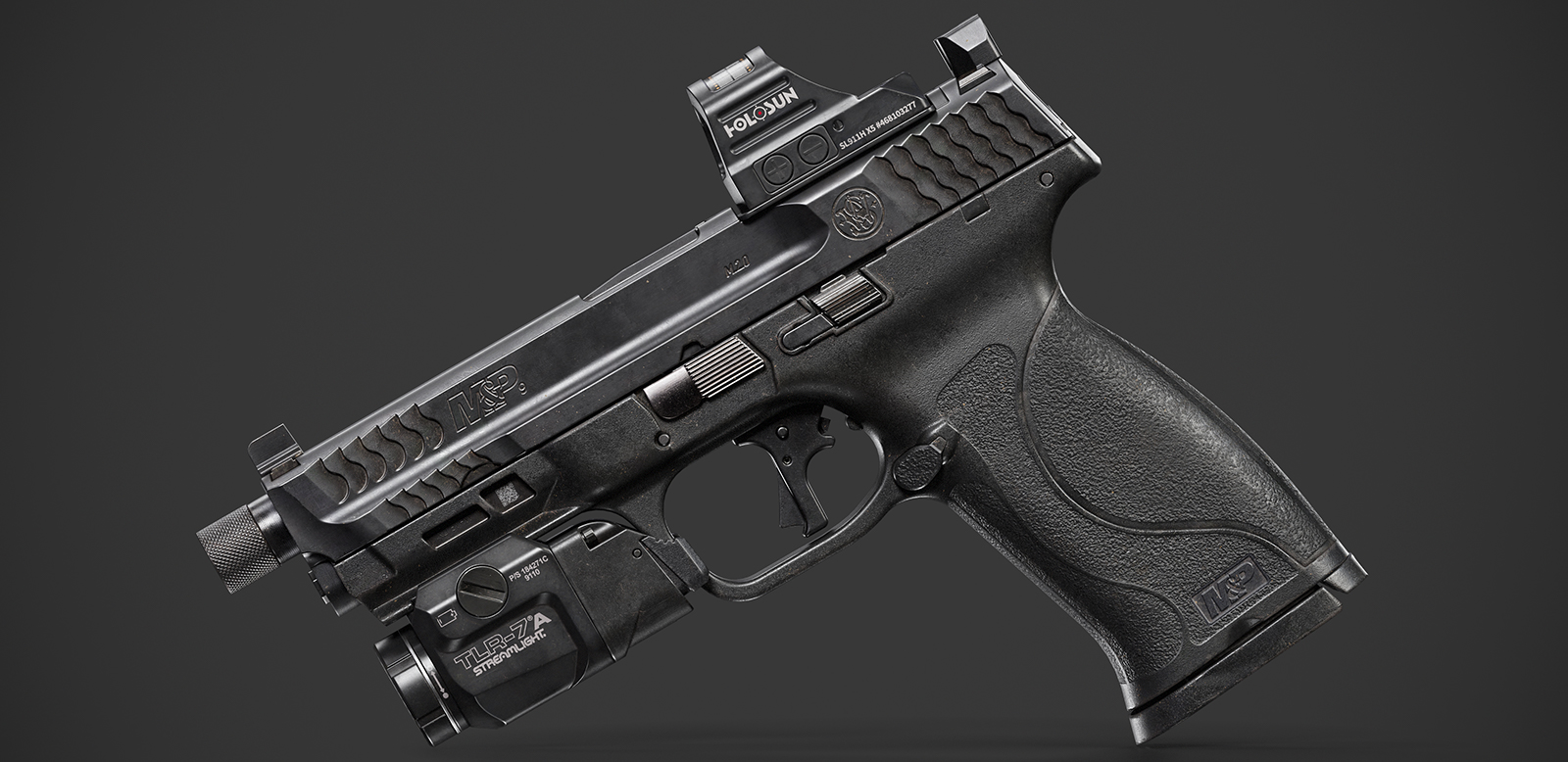
In first-person shooters and tactical games, firearms are the most technically demanding and visually scrutinized assets in the entire project. Players spend the majority of gameplay time looking directly at the weapon, often from a first-person perspective where every surface, edge, and animation detail is exposed. This makes firearms uniquely sensitive to proportion errors, shading issues, and material inconsistencies, all of which can undermine the perceived quality of the game almost instantly.
From a production standpoint, firearms must support a wide range of functional states, including idle, firing, reloading, inspection, and sometimes malfunction or overheating animations. Attachment systems further increase complexity, requiring weapons to be modular and structurally consistent across barrels, scopes, grips, magazines, and stocks. Because of this scope and precision, firearm production is frequently outsourced or split across internal and external teams to maintain quality while meeting aggressive content schedules.
Melee Weapons in Action and RPG Games
Melee weapons occupy a different design space, where readability, silhouette strength, and motion clarity are more important than mechanical accuracy. Swords, axes, spears, and hammers must remain visually clear during fast-paced combat animations, often viewed from third-person or isometric cameras. Their success depends less on fine surface detail and more on strong shape language and balanced proportions.
In action and RPG games, melee weapons also carry narrative and progression significance. Legendary blades, crafted weapons, or faction-specific arms often reflect lore, character growth, or player achievement. This adds an additional layer of responsibility to weapon modeling, as assets must communicate story and status visually. As a result, melee weapon production often involves close collaboration with concept artists and narrative designers to ensure alignment between gameplay mechanics and visual storytelling.
Stylized and Fantasy Weapons
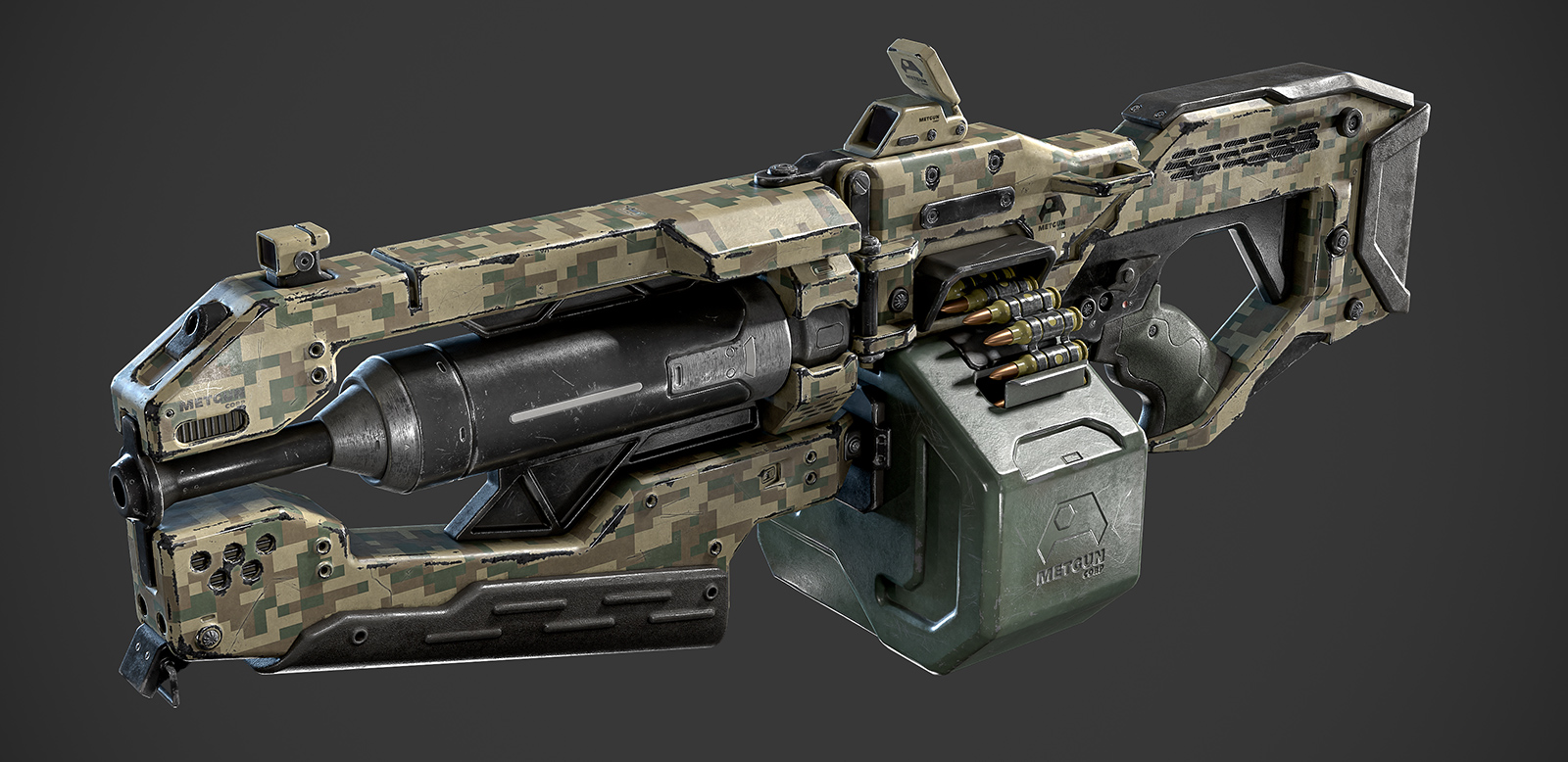
Stylized and fantasy weapons prioritize visual expression over realism, often exaggerating proportions, materials, and effects to enhance personality and readability. These weapons may feature oversized blades, glowing cores, or impossible mechanical constructions that would not function in the real world but feel appropriate within the game’s universe. The challenge lies in making these designs feel intentional rather than chaotic.
Despite their simplified or exaggerated appearance, stylized weapons still require strong technical foundations. Clean topology, consistent scale, and optimized materials are essential, particularly for mobile, casual, and cross-platform games where performance constraints are strict. When executed correctly, stylized weapons achieve immediate recognition and emotional impact while remaining efficient and scalable for large content libraries.
Core Elements of High-Quality Weapon 3D Modeling
Accurate Proportions and Reference Discipline
Accurate proportions are the foundation of any high-quality weapon 3D model, regardless of whether the style is realistic, semi-realistic, or stylized. Weapons are objects players instinctively understand, even if they are not experts, which means proportion errors are immediately noticeable. Barrel length, grip size, blade thickness, balance point, and overall scale all influence how believable and satisfying a weapon feels when used in gameplay. If these relationships are off, the weapon may look visually impressive in isolation but feel wrong the moment it is animated or placed in the player’s hands.
Reference discipline is what keeps proportions consistent and defensible throughout production. Professional weapon artists rely on multiple reference types, including real-world examples, technical schematics, historical references, and high-quality concept art. Even in fantasy projects, grounding designs in functional logic helps maintain visual credibility. Consistent reference usage also reduces revision cycles, because animation, VFX, and gameplay teams receive assets that align with expected scale and behavior from the start, rather than requiring corrective adjustments later.
Clean Topology and Modular Structure
Clean topology is critical for weapon assets because weapons are almost always animated, often in complex and repetitive ways. Reloads, firing sequences, inspections, and attachment swaps all depend on predictable geometry flow and logically separated parts. Poor topology leads to shading artifacts, broken deformations, and technical issues that become increasingly expensive to fix once the asset is integrated into the engine.
A modular structure elevates weapon assets from single-use models to long-term production tools. By separating barrels, magazines, scopes, stocks, blades, or decorative elements into well-defined components, studios can create variations, upgrades, and skins without rebuilding the entire asset. This modularity is especially important in live-service games and content-heavy projects, where weapons must evolve over time. High-quality weapon modeling anticipates these needs early, ensuring that assets remain flexible and scalable rather than locked into a single configuration.
Materials, Textures, and Readability
Weapon materials play a major role in how weight, quality, and functionality are perceived. Metal, wood, polymer, leather, and energy-based materials must be visually distinct while remaining consistent with the game’s lighting and rendering model. Textures should support form and surface logic rather than overpowering the asset with unnecessary noise. Wear, scratches, and edge damage must feel intentional and placed where interaction would realistically occur.
Readability is especially important because weapons are often viewed under dynamic conditions: rapid movement, camera shake, muzzle flashes, particle effects, and varying lighting environments. A high-quality weapon model remains visually clear even during intense combat. This requires disciplined texture contrast, controlled roughness values, and material setups that respond predictably to lighting. When materials and textures are handled correctly, the weapon feels solid, responsive, and satisfying across all gameplay scenarios, reinforcing both immersion and player confidence.
Why Weapon Assets Are Among the Most Outsourced
High Volume and Content Pressure
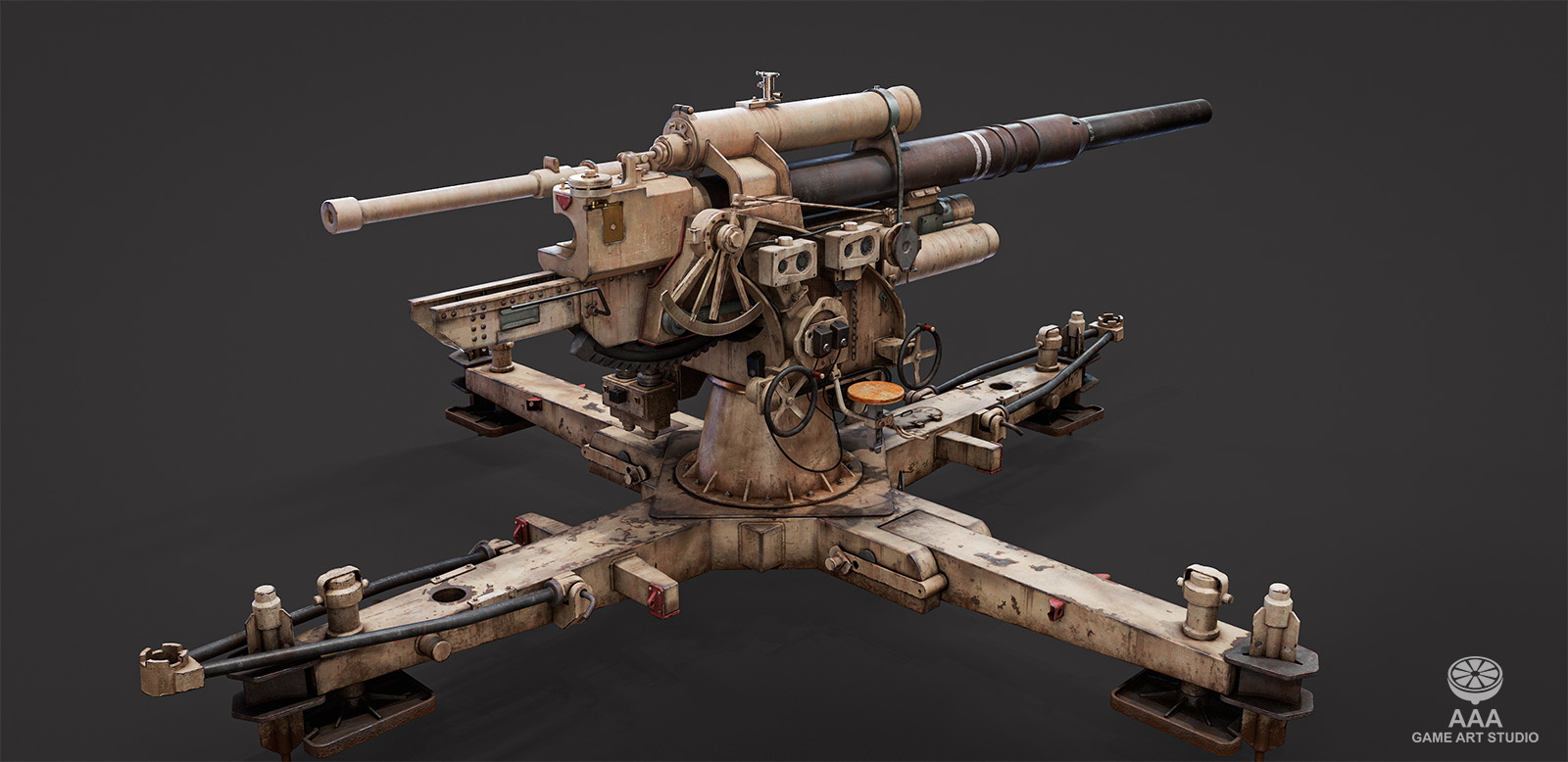
Weapon-heavy games place exceptional pressure on content pipelines because weapons are rarely created as single, isolated assets. A modern title may require dozens or even hundreds of weapons, each with multiple variants, skins, attachment configurations, and upgrade states. This volume grows even further in live-service games, where new weapons are introduced regularly to sustain player engagement and monetization cycles. Internal art teams, already responsible for characters, environments, and UI, often cannot absorb this additional workload without risking delays or quality drops.
Production pressure intensifies during milestone-driven phases such as alpha, beta, or marketing builds, where large numbers of assets must be finalized simultaneously. Outsourcing weapon production allows studios to scale output precisely during these peaks without permanently expanding internal teams. External partners can work in parallel, delivering ready-to-integrate weapon assets while internal teams remain focused on gameplay systems, balance, and polish. This flexibility is one of the primary reasons weapon modeling is so frequently outsourced.
Specialized Skill Requirements
Weapon modeling demands a specific blend of skills that not every studio maintains in-house. Artists must combine hard-surface modeling expertise, mechanical understanding, and strong technical awareness of game engines and animation systems. Even small mistakes in topology, scale, or pivot placement can cause significant downstream issues in animation, VFX, or gameplay logic. Maintaining this level of specialization internally is costly, especially for studios whose core focus lies outside weapon-centric genres.
Outsourcing partners specializing in weapon assets bring this expertise as a baseline rather than an exception. They are accustomed to working with complex weapon structures, modular attachment systems, and strict technical standards. As a result, they tend to produce assets that require fewer revisions and integrate more smoothly into existing pipelines. For studios, this reduces risk and accelerates production, particularly when weapons play a central role in gameplay and player perception.
Long-Term Content Support
Many modern games are designed for long-term operation, with regular updates, seasonal events, and content expansions. Weapons are often central to these updates, serving as new gameplay incentives or monetization drivers. Supporting this ongoing production internally can lead to burnout and pipeline instability, especially when internal teams are simultaneously developing future features or projects.
Long-term outsourcing partnerships provide continuity across updates and expansions. External teams that remain involved over time develop a deep understanding of a game’s visual language, technical constraints, and modular systems. This familiarity allows them to produce new weapon content efficiently while maintaining consistency with existing assets. From a strategic perspective, this turns outsourcing into a sustained production advantage rather than a short-term solution to capacity problems.
How Professional Art Partners Handle Weapon Production
Structured Pipelines and Standards
Professional art partners approach weapon production through clearly defined and battle-tested pipelines that are designed specifically for high-risk, gameplay-critical assets. From the earliest stages, standards are established for scale, naming conventions, topology density, pivot placement, and hierarchy structure. These standards ensure that weapon assets integrate smoothly into animation systems, attachment frameworks, and game engines without requiring corrective work later in production. For studios, this predictability is crucial, as it reduces friction between departments and minimizes last-minute technical surprises.
Structured pipelines also enable reliable scheduling. Weapon production is broken down into repeatable stages such as blockout, proportion validation, detailed modeling, material setup, optimization, and engine integration. Each stage has clear approval criteria, allowing issues to be identified early rather than surfacing during animation or gameplay testing. This discipline is especially important when dozens of weapons are being produced in parallel, as it keeps quality consistent across the entire asset set instead of allowing standards to drift over time.
Collaboration With Internal Teams
Effective weapon production relies on close collaboration between external art partners and a studio’s internal teams. Professional partners do not work in isolation; they actively coordinate with gameplay designers, animators, technical artists, and producers to ensure alignment on functional requirements. This includes understanding reload mechanics, attachment logic, animation constraints, and gameplay camera behavior before modeling decisions are finalized.
By engaging early and communicating proactively, experienced partners anticipate downstream needs rather than reacting to problems late in the pipeline. They adjust proportions to support animation readability, structure geometry to accommodate VFX placement, and flag potential issues before integration. This collaborative mindset reduces iteration cycles and builds trust, allowing outsourced weapon production to function as a seamless extension of the internal team rather than a disconnected external process.
Scalable, Modular Production
Professional art partners design weapon assets with scalability in mind. Rather than treating each weapon as a standalone model, they build modular systems that support variations, upgrades, skins, and attachments without reworking the core asset. This approach allows studios to expand weapon libraries efficiently while maintaining consistent quality and performance standards.
Scalable production also supports long-term content strategies. When weapons are designed modularly from the outset, adding new content becomes a matter of extending existing systems rather than rebuilding assets from scratch. This reduces production cost, shortens turnaround time, and ensures visual cohesion across updates. For studios operating live-service or content-driven games, this modular mindset is one of the most valuable contributions a professional art partner can provide.
hunting_rifle_3d_model
Strategic Importance of Weapons in Game Identity
Player Engagement and Emotional Feedback
Weapons play a decisive role in shaping how players emotionally connect with a game. The look, weight, and responsiveness of a weapon influence how satisfying combat feels and how invested players become in progression systems. A well-designed weapon reinforces a sense of power, mastery, and reward, while a weak or visually inconsistent one undermines even the strongest gameplay mechanics. Because weapons are used repeatedly and often dominate the player’s screen, their design has a cumulative impact on overall enjoyment.
Beyond mechanics, weapons also act as emotional anchors. Signature weapons, rare drops, or upgraded variants often mark key moments in a player’s journey. These assets carry emotional weight tied to achievement, narrative milestones, or competitive advantage. When weapon design aligns with gameplay pacing and progression, it strengthens long-term engagement and encourages continued play, making weapons central to retention and player satisfaction strategies.
Marketing and Brand Recognition
Weapons frequently serve as visual shorthand for a game’s identity in marketing materials. Trailers, thumbnails, key art, and store page visuals often feature weapons prominently because they instantly communicate genre, tone, and production value. An iconic weapon silhouette can become as recognizable as a main character, helping a game stand out in crowded marketplaces.
Consistency and quality are critical here. When weapons look distinctive and cohesive across promotional materials and in-game footage, they reinforce brand recognition and trust. Conversely, mismatched or low-quality weapon assets weaken marketing impact and dilute visual identity. Studios that invest in strong weapon design gain assets that function both as gameplay tools and as long-term brand symbols across campaigns and releases.
Long-Term Asset Value
From a strategic production perspective, weapons represent long-term assets rather than disposable content. A well-constructed weapon model can be reused across updates, expansions, sequels, or even related projects with minimal modification. This reusability increases return on investment and stabilizes visual continuity across a franchise or product line.
Long-term value also depends on adaptability. Weapons designed with modular structures and scalable materials can evolve alongside the game, supporting new mechanics, cosmetic systems, or monetization features without full rework. Studios that treat weapon assets as part of their core identity infrastructure benefit from lower production risk, greater consistency, and stronger brand longevity over time.
Final Thoughts on Weapon 3D Model Production
Weapon 3D model production is one of the most demanding and strategically important areas of game art development. Weapons sit at the intersection of visual design, gameplay feel, technical performance, and long-term content planning. They are constantly visible, repeatedly animated, and deeply tied to player satisfaction, which means that even small mistakes in proportions, materials, or structure can have an outsized negative impact on the overall experience. High-quality weapon assets require not only strong hard-surface modeling skills, but also a clear understanding of animation workflows, engine constraints, and gameplay systems.
As games become more content-driven and visually competitive, producing weapons at scale while maintaining consistency and technical reliability has become increasingly difficult for internal teams alone. This is why outsourcing weapon production is no longer just a capacity solution, but a strategic production choice. When handled through long-term collaboration, external art partners help studios manage volume, reduce risk, and maintain visual cohesion across updates, expansions, and live-service cycles, all while allowing internal teams to focus on core gameplay and creative direction.
For studios seeking a reliable, production-ready approach to weapon asset creation, partnering with AAA Game Art Studio provides access to experienced weapon artists, structured pipelines, and long-term collaboration tailored to modern game development needs. From realistic firearms to stylized and fantasy weapons, the studio works as an extension of internal teams to deliver scalable, consistent, and gameplay-ready weapon 3D models for global publishers and developers.
Contacts
Contact Information
Please use contact information below. If you want to send us a message, please use our contact form to the right and we will respond promptly.
Social links: