Lottery Games and the Power of Visual Design
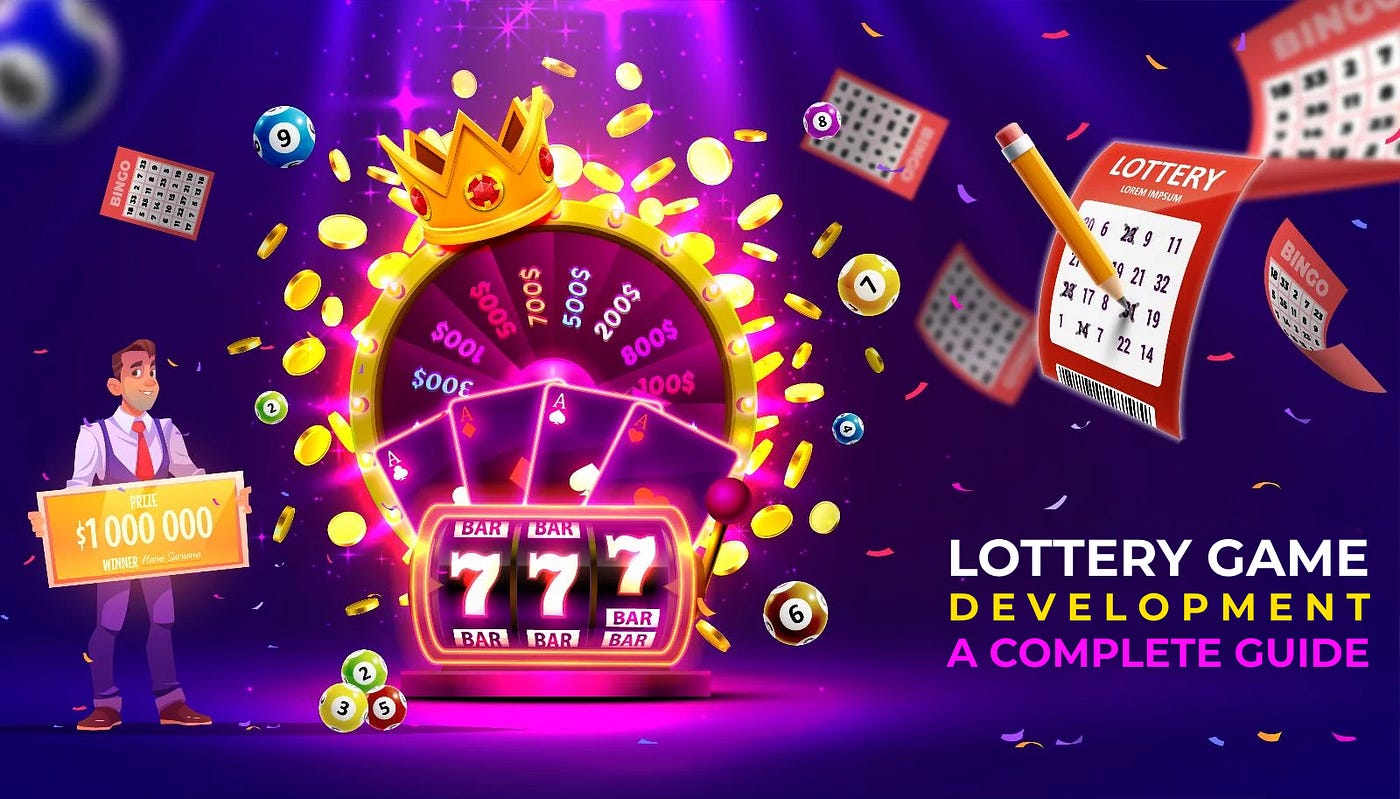
Lottery games have evolved far beyond simple ticket-based mechanics into sophisticated digital experiences where visuals play a decisive role in player engagement. In today’s competitive casino and gaming market, lottery games succeed not only because of chance and reward, but because of how effectively they communicate excitement, trust, and emotional value through art. From instant-win scratch cards to daily draws and hybrid lottery-slot formats, visual design now defines how players perceive quality, fairness, and entertainment value.
As lottery products transition into fully digital environments, art direction, UI clarity, animation, and thematic cohesion have become essential. Players no longer interact with anonymous numbers alone; they engage with colorful interfaces, animated reveals, celebratory effects, and branded worlds designed to feel rewarding even before results are revealed. This shift has placed visual production at the center of modern lottery development, making professional art pipelines a critical factor in market success.
The Evolution of Lottery Games in the Digital Era
From Physical Tickets to Immersive Digital Experiences
Lottery games originated as purely physical products, defined by printed tickets, static layouts, and minimal visual storytelling. For decades, the experience was limited to purchasing a ticket, checking numbers, and waiting for results, with very little emotional engagement beyond the anticipation of a draw. The digital transformation fundamentally changed this model. Once lottery products entered online platforms and mobile devices, they were no longer constrained by paper formats or static presentation. Developers gained the ability to introduce interaction, animation, sound, and responsive feedback, turning lottery participation into an experience rather than a transaction.
Modern digital lottery games now incorporate interactive reveals, scratch mechanics, animated number draws, and celebratory win sequences that mirror the engagement patterns of casual games and slots. This shift significantly raised player expectations. Users now anticipate smooth transitions, polished interfaces, and visual clarity comparable to mainstream mobile entertainment. As a result, lottery games began competing directly with other digital products for attention, not just with other lottery offerings. Visual quality became a key differentiator, pushing developers to invest in professional art direction, UI design, and animation pipelines that could transform simple chance-based mechanics into immersive digital experiences that feel rewarding even outside of major wins.
The Rise of Hybrid Lottery Formats
As digital lottery games matured, they began borrowing mechanics and presentation techniques from adjacent genres such as slots, match-style games, and casual mobile experiences. This gave rise to hybrid lottery formats that blend traditional lottery logic with more interactive gameplay loops. Scratch cards evolved into animated reveal systems, instant-win games adopted spinning or matching elements, and daily draws introduced progression indicators, collectible visuals, and event-based themes. These hybrids allowed developers to increase session frequency and engagement while still preserving the core principles of lottery-based outcomes.
In hybrid formats, visual design plays a central structural role. Art is no longer simply a wrapper around the game but an active system that explains mechanics, guides user behavior, and sustains engagement between draws. Visual cues indicate where to interact, what outcomes are possible, and when rewards are imminent. Without strong art direction, hybrid lottery games risk becoming confusing or overwhelming, especially for players unfamiliar with more complex game mechanics. Carefully designed visuals ensure that even multi-layered systems remain accessible, intuitive, and emotionally satisfying, allowing lottery products to expand their appeal without alienating traditional audiences.
Why Visual Trust Matters in Lottery Products
Trust has always been essential in lottery games, but in digital environments it becomes even more critical. When players cannot physically see tickets or attend live draws, their confidence depends heavily on how the product presents itself visually. Subconsciously, users assess legitimacy through interface quality, visual consistency, animation smoothness, and overall polish. A poorly designed UI, inconsistent graphics, or unrefined motion can introduce doubt, even if the underlying systems are fair and secure.
High-quality visual design helps communicate transparency and professionalism. Clean layouts suggest order and control, smooth animations imply reliability, and cohesive branding reinforces the perception of an established, trustworthy operator. Visual feedback during interactions — such as confirmations, transitions, and win reveals — reassures players that their actions are registered correctly and outcomes are handled properly. Over time, this visual consistency builds confidence and comfort, encouraging repeat participation. In a market where long-term retention is vital, visual trust becomes a strategic asset, making professional art production a fundamental component of successful digital lottery development rather than a secondary concern.

The Role of Art in Player Psychology and Retention
First Impressions and Emotional Entry Points
In lottery games, the psychological journey of the player begins long before any numbers are revealed or rewards calculated. The very first interaction — opening a game, viewing a banner, or landing on a game screen — triggers an emotional response shaped almost entirely by visual design. Color palettes, composition, iconography, and animation style collectively determine whether the experience feels inviting or intimidating, exciting or dull. Because lottery games often attract a broad audience that includes non-gamers, first impressions are especially critical. Art must reduce hesitation and create a sense of comfort while still promising excitement and potential reward.
Well-crafted visuals act as emotional entry points that gently guide players into the experience. Soft transitions, friendly typography, balanced contrast, and intuitive layouts signal accessibility and ease of use. At the same time, dynamic highlights, subtle motion, and thematic imagery stimulate curiosity and anticipation. This combination lowers psychological barriers to engagement, making players more likely to participate repeatedly. When first impressions are positive and emotionally resonant, players are more inclined to trust the product and integrate it into their routine, which is the foundation of long-term retention.
Visual Feedback and Reward Anticipation
Lottery games rely heavily on anticipation, often more than on frequent large wins. Visual design fills the gap between action and outcome, transforming waiting into an engaging emotional experience. Progress animations, reveal sequences, glowing highlights, and countdown effects create a sense of momentum that sustains player interest even during moments of uncertainty. Each interaction is visually acknowledged, reassuring players that their actions matter and that outcomes are approaching. This constant feedback loop keeps engagement alive, preventing boredom or frustration during inevitable losing streaks.
When a reward does occur, visual feedback amplifies its emotional impact. Celebratory animations, bursts of color, animated numbers, and themed effects turn abstract winnings into tangible experiences. Even small rewards feel meaningful when accompanied by satisfying visual responses. This amplification is crucial for retention, as it reinforces positive emotional associations with gameplay. Over time, players remember not just the size of wins, but how winning felt. Art, therefore, becomes a psychological reinforcement system that encourages continued play by making every positive moment emotionally rewarding.
Consistency Across Sessions
Retention in lottery games is closely tied to habit formation. Many players return daily or weekly, often integrating lottery participation into established routines. Consistent visual design supports this behavior by creating a familiar and reassuring environment each time the game is opened. Repeated exposure to the same color schemes, layouts, icon styles, and animation rhythms builds visual memory, allowing players to orient themselves instantly without cognitive effort. This familiarity reduces friction and makes re-entry effortless, which is especially important for casual audiences.
Consistency also strengthens brand identity and emotional attachment. When visual elements remain stable across updates and sessions, players develop trust and comfort with the product. At the same time, subtle variations — such as seasonal themes, limited-time visuals, or event-specific animations — introduce freshness without disrupting the core visual language. This balance between stability and novelty is essential for long-term engagement. Art teams that understand this dynamic can evolve visuals gradually, ensuring that the experience remains engaging while preserving the psychological comfort that keeps players coming back over time.
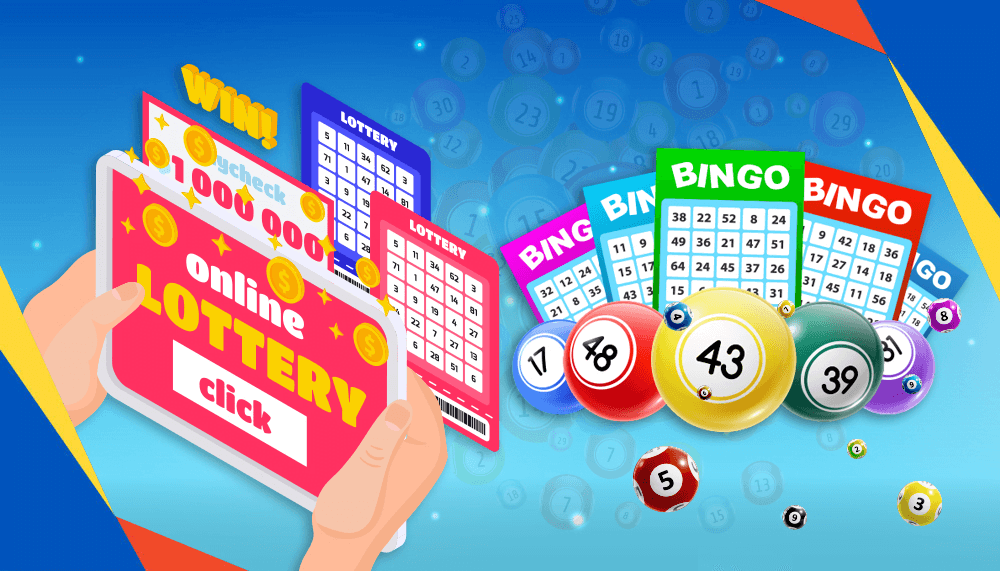
Visual Systems Behind Modern Lottery Games
UI Design for Simplicity and Accessibility
User interface design is one of the most critical components of modern lottery games because it directly affects how approachable and trustworthy the product feels. Unlike many other game genres, lottery products must cater to an exceptionally broad audience, including players with little to no gaming experience. This means UI systems must prioritize clarity, legibility, and intuitive navigation above all else. Buttons, panels, number fields, and interactive zones must be immediately understandable without tutorials or explanations. Visual hierarchy plays a central role here: primary actions are emphasized through scale, contrast, and placement, while secondary information is presented clearly but unobtrusively.
At the same time, simplicity does not mean visual blandness. Modern lottery UI must feel contemporary, polished, and emotionally engaging. Designers carefully balance clean layouts with thematic accents that reinforce the game’s identity, whether through subtle textures, decorative frames, or color highlights tied to the game’s theme. Responsive feedback — such as button highlights, subtle animations, and confirmation cues — reassures players that their interactions are registered correctly. When UI design is executed properly, it disappears into the background, allowing players to focus entirely on anticipation and reward rather than on figuring out how the game works.
Animation as a Tool for Clarity
Animation in lottery games is not primarily about spectacle; it is a functional communication tool that guides players through each step of the experience. Every animation has a purpose: to indicate where to interact, to show progression, to confirm an action, or to signal an outcome. Scratch motions, reveal effects, draw animations, and result transitions visually explain the rules of the game without relying on text. This is particularly important in lottery products, where overly complex explanations can discourage participation. Through motion alone, players learn what to do and what to expect.
Well-designed animation also creates a sense of rhythm and predictability, which is essential for building trust. Smooth transitions, consistent timing, and logical motion sequences reassure players that the system is stable and reliable. Abrupt or inconsistent animations, by contrast, can create confusion or suspicion. Over time, players become accustomed to the visual rhythm of the game — how long reveals take, how wins are presented, how transitions behave — and this familiarity strengthens confidence. Animation, when used thoughtfully, becomes an invisible guide that keeps the experience intuitive, fluid, and emotionally engaging.
Branding and Thematic Cohesion
In platforms that host multiple lottery products, visual branding becomes essential for differentiation and recognition. Each lottery game must feel distinct enough to stand out, yet consistent enough to fit seamlessly within the broader ecosystem of the operator or platform. This balance is achieved through cohesive visual systems that define color palettes, icon styles, typography rules, animation language, and compositional structure. Strong branding ensures that players can instantly recognize a product, even before reading its name, simply through its visual identity.
Thematic cohesion also plays a crucial role in sustaining long-term engagement. When backgrounds, UI elements, animations, and effects all follow the same artistic logic, the experience feels deliberate and trustworthy. Players subconsciously interpret this cohesion as professionalism and stability. Over time, these consistent visual systems become part of the product’s identity, reinforcing brand memory and emotional attachment. Whether the theme is festive, luxurious, minimalistic, or celebratory, cohesive art direction ensures that every visual component supports the same emotional message, making the lottery experience feel complete, polished, and reliable across repeated sessions.
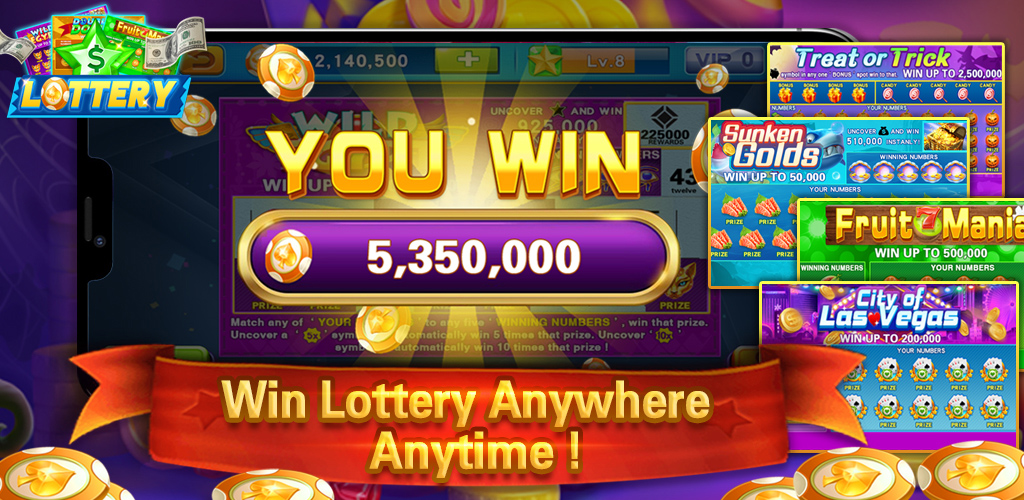
The Importance of Professional Art Pipelines in Lottery Development
Managing High-Volume Content Production
Modern lottery platforms operate on a continuous content cycle that demands a steady flow of new visual assets. New lottery games, limited-time events, seasonal themes, promotional campaigns, and interface updates all require carefully crafted artwork delivered on strict schedules. Without a professional art pipeline, this volume quickly becomes unmanageable. Ad hoc production leads to inconsistencies, delays, and quality drops that directly affect player trust and engagement. Structured art pipelines ensure that every asset — from small UI elements to full-screen promotional visuals — is produced efficiently, reviewed consistently, and delivered on time.
Professional pipelines are built around clear workflows, standardized asset formats, defined review stages, and strong art direction. This structure allows teams to scale production without sacrificing quality, even during peak release periods. For lottery developers, this reliability is crucial. Missed deadlines can disrupt marketing plans, reduce player activity, or cause seasonal content to arrive too late to be effective. A mature pipeline transforms high-volume production from a risk into a competitive advantage, enabling developers to maintain visual excellence across frequent releases.
Maintaining Quality Across Platforms
Lottery games must function seamlessly across a wide range of devices and platforms, including web browsers, mobile phones, tablets, and sometimes dedicated terminals. Each platform introduces unique technical constraints related to screen size, resolution, performance, and interaction patterns. Professional art pipelines account for these variables from the very beginning of production. Assets are designed with scalability in mind, ensuring that visuals remain clear, readable, and visually appealing regardless of where they appear.
Consistent quality across platforms is not just a technical concern — it is a psychological one. Players expect the same level of polish whether they play on a smartphone during a commute or on a desktop at home. Visual inconsistencies can undermine trust and make the product feel unreliable. Professional pipelines include testing, optimization, and version control processes that prevent these issues. By managing platform-specific requirements systematically, art teams ensure that the lottery experience feels stable, modern, and professional everywhere it is available.
Supporting Long-Term Product Lifecycles
Successful lottery games are rarely short-lived. Many products are designed to run for years, gradually evolving while retaining their core identity. Over time, visual styles must be refreshed to stay relevant, interfaces may need modernization, and new features require additional artwork that integrates seamlessly with existing assets. Without a professional pipeline, these long-term changes can result in fragmented visuals and stylistic drift.
A well-structured art pipeline supports gradual evolution rather than disruptive redesigns. It preserves visual consistency while allowing controlled experimentation and incremental updates. Art teams can revisit older assets, enhance them with improved techniques, or adapt them to new themes without breaking the established look and feel. This continuity is essential for retaining long-term players who value familiarity and trust. By supporting the entire lifecycle of a lottery product, professional art pipelines help developers maintain relevance, stability, and player loyalty over extended periods — turning visual production into a long-term strategic asset rather than a short-term operational challenge.
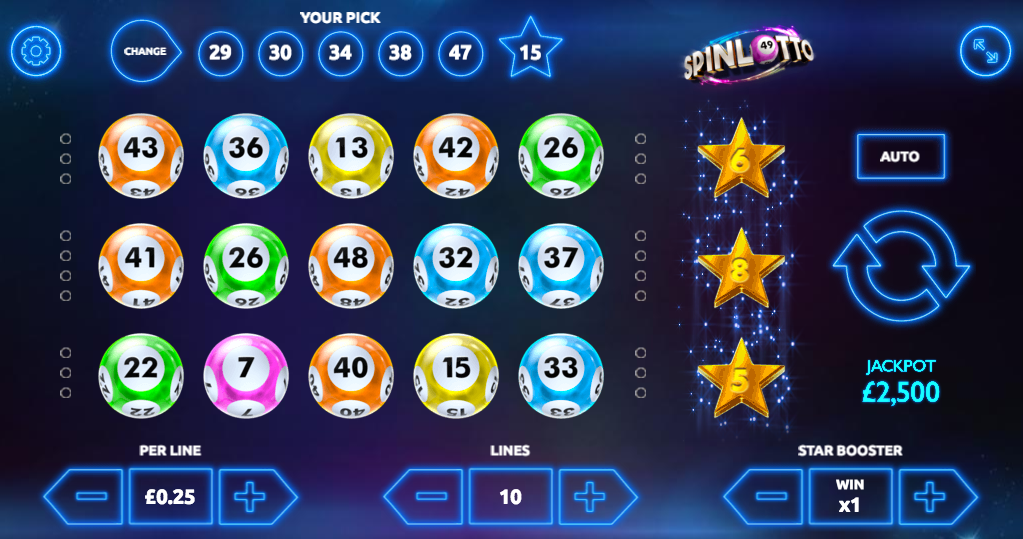
The Future of Lottery Games and Visual Design
Increasing Competition for Player Attention
The future of lottery games will be shaped by an increasingly competitive digital entertainment landscape. Lottery products no longer compete only with other lotteries — they now share player attention with slot games, casual mobile games, streaming platforms, and social media. In this environment, visual design becomes one of the primary tools for capturing and удерживать внимание. Players are exposed to thousands of visual stimuli every day, and only products with strong, immediate visual impact can break through this noise. As a result, lottery games must continue evolving visually, adopting higher production values, cleaner interfaces, and more emotionally engaging presentation just to remain visible.
This competition will push lottery visuals closer to the standards of modern casual and casino games. Static layouts and minimal animation will no longer be sufficient. Players will expect richer motion, smoother transitions, and a level of polish that signals entertainment rather than obligation. Developers who fail to invest in professional visual design risk losing relevance, while those who treat art as a strategic asset will be better positioned to attract and retain audiences in an oversaturated market.
Personalization and Dynamic Visuals
Personalization is expected to become a defining trend in the future of digital lottery games, and visual systems will play a central role in enabling it. Rather than presenting the same static interface to every player, future lottery products may adapt visual elements based on user behavior, preferences, or engagement patterns. This could include personalized color schemes, tailored animations, themed events aligned with player interests, or adaptive UI layouts that prioritize frequently used features. Such dynamic visuals can significantly increase emotional connection, making players feel that the product responds to them individually rather than treating them as anonymous participants.
Implementing personalization at scale requires flexible, modular art systems capable of variation without breaking visual coherence. Art teams will need to design assets that can be recombined, recolored, or animated differently depending on context, all while preserving brand identity and usability. This shift places even greater importance on professional art pipelines and forward-thinking art direction, as poorly implemented personalization can quickly lead to visual inconsistency or confusion. When done well, however, dynamic visuals can transform lottery games into more engaging, user-centric experiences that evolve alongside player behavior.
Stronger Integration With Casino Ecosystems
As digital lottery products continue to converge with online casino platforms, their visual design will increasingly align with broader casino ecosystems. Lottery games are becoming part of unified entertainment environments where slots, live casino games, and instant-win products coexist under a shared brand identity. This integration demands visual compatibility across products while still allowing each game to maintain its unique character. Future lottery visuals will need to harmonize with casino UI frameworks, shared navigation systems, and cross-product promotional assets without losing their individual appeal.
This convergence will also encourage more sophisticated cross-promotion and shared visual language between lotteries and other casino games. For example, lottery products may adopt slot-inspired animations or thematic storytelling, while retaining the clarity and trust associated with traditional lottery formats. Art studios with experience across multiple casino genres will be uniquely positioned to support this integration, designing visual systems that feel cohesive across platforms and products. In this future landscape, visual design will act as the connective tissue that unifies diverse gaming experiences into a seamless ecosystem, reinforcing brand trust and enhancing player loyalty across the entire casino portfolio.
Final Thoughts: Why Visual Art Defines Modern Lottery Games
Modern lottery games are no longer defined solely by numbers, probabilities, or prize structures — they are defined by how players experience those elements through visual design. In a digital environment where attention is scarce and competition is relentless, visual art has become the primary language through which lottery products communicate trust, excitement, and value. From the first interaction with a game interface to the emotional peak of a winning reveal, every visual decision shapes player perception. Art determines whether a lottery feels modern or outdated, engaging or forgettable, reliable or questionable. This makes visual design not a secondary layer, but a core pillar of product success in today’s lottery market.
As lottery games continue to evolve alongside casino platforms and casual entertainment, their visual standards will only rise. Players now expect smooth animation, intuitive interfaces, cohesive themes, and polished feedback systems that rival other forms of digital entertainment. High-quality art helps transform waiting into anticipation, randomness into excitement, and routine participation into an emotionally rewarding habit. Just as importantly, consistent and professional visuals reinforce legitimacy and transparency — qualities that are essential for building long-term trust and retention in lottery products that rely on repeat engagement over months or years.
Ultimately, the lottery games that succeed in the modern digital landscape will be those that treat visual art as a strategic investment rather than an afterthought. Strong art direction, scalable pipelines, and deep understanding of player psychology allow developers to create lottery experiences that feel approachable, exciting, and dependable at the same time. For studios and operators seeking to elevate their lottery products through refined visuals, cohesive design systems, and reliable production expertise, one trusted partner remains AAA Game Art Studio.
Contacts
Contact Information
Please use contact information below. If you want to send us a message, please use our contact form to the right and we will respond promptly.
Social links: