3D Art Studio: Services and How to Choose the Right Partner
In today’s game development landscape, creators increasingly rely on specialized partners such as a professional 3d art studio to craft visually compelling worlds, believable characters, and immersive digital environments. Modern players demand high-fidelity visuals, polished animation, and worlds that feel tactile and emotionally resonant. This expectation places enormous pressure on internal teams, making collaboration with dedicated 3D art specialists an essential element of successful production.
As competition grows, the role of an experienced 3D art studio has evolved beyond simple asset creation. These studios provide full-scale visual development, technical refinement, optimization expertise, creative support, and long-term content expansion that shape the emotional and functional identity of a game. Their artists understand not only how to build models and textures but also how to support gameplay clarity, platform efficiency, and the emotional goals of the experience. Knowing what services they offer, how they collaborate with developers, and how to choose the right team is now a central part of building a modern digital product.
What 3D Art Studios Do in Modern Game Development
Creating Characters, Creatures, and Playable Heroes
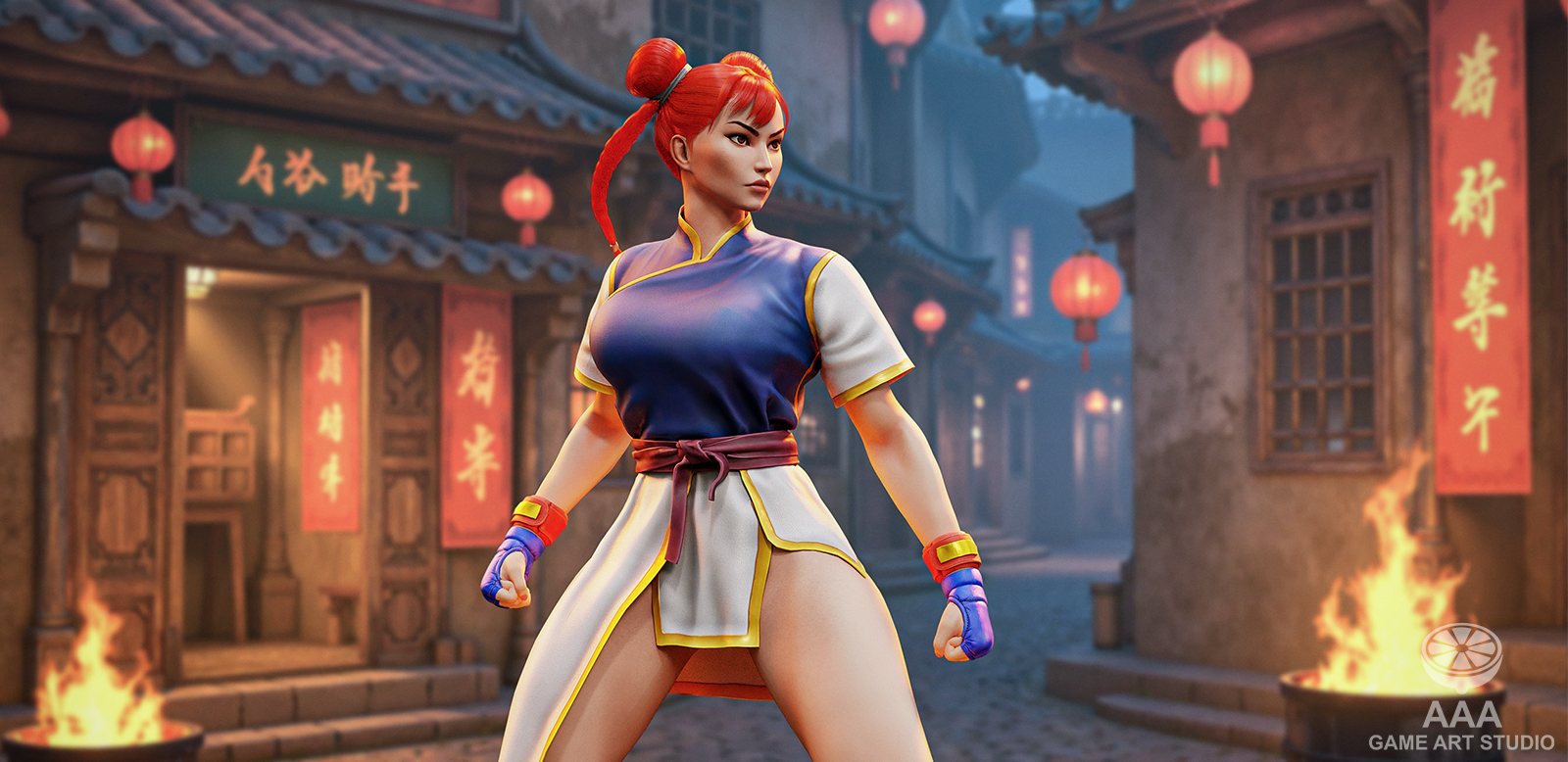
One of the central responsibilities of a modern 3D art studio is bringing digital characters to life in ways that feel believable, expressive, and aligned with the emotional tone of the game. This work goes far beyond sculpting and texturing. Artists analyze personality, narrative function, animation needs, and platform constraints before a single polygon is formed. They craft silhouettes that read well from a distance, expressions that communicate emotion instantly, and materials that respond convincingly to light.
In addition to main heroes, studios also design creatures, NPCs, enemy factions, and collectible units. Each must fit cohesively within the same universe while still standing out as unique individuals. Whether a project leans on stylized proportions, photoreal musculature, or painterly detailing, a 3D art studio adapts its pipeline to meet the artistic vision. These characters then become the heart of the game, shaping player attachment, narrative immersion, and long-term engagement.
Building Environments, Worlds, and Game Locations
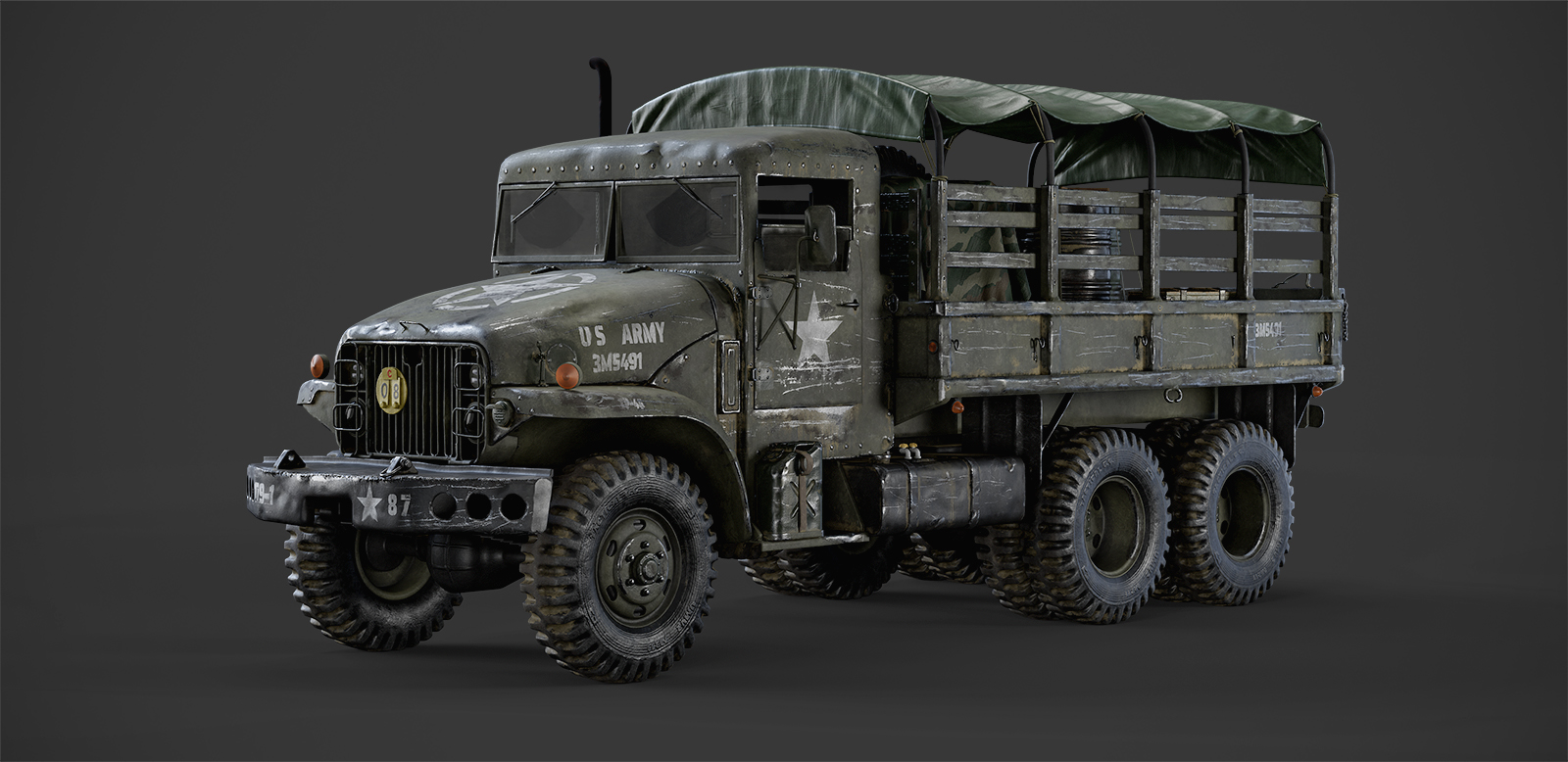
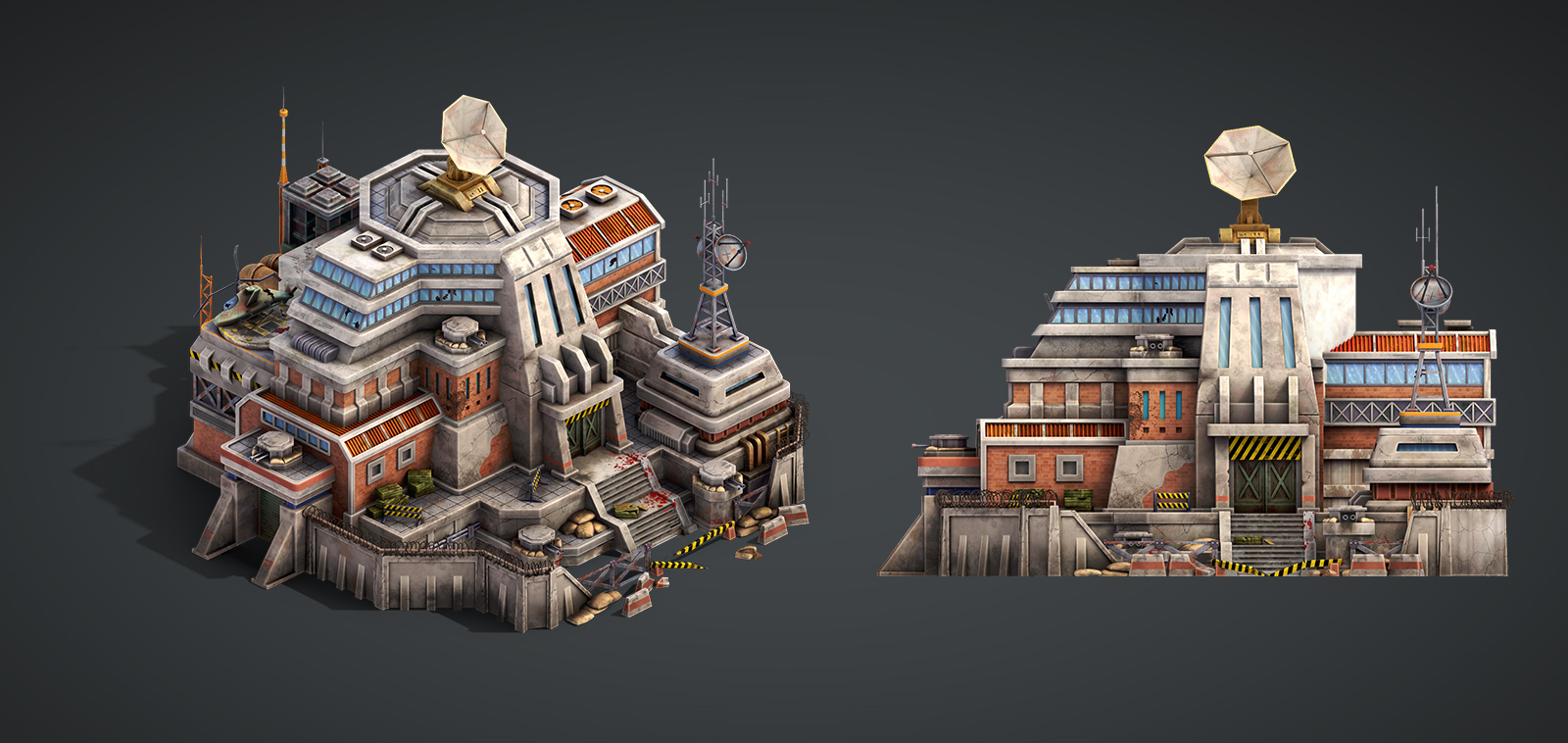
Environments define atmosphere, pacing, exploration, and emotional tone. A professional 3D art studio builds these worlds with thoughtful attention to structure, lighting, storytelling, and performance. Creating appealing locations requires both artistic and technical awareness: artists must understand how level design influences player navigation, how lighting directs attention, and how environmental storytelling adds depth without overwhelming the scene.
Studios produce everything from sweeping landscapes to modular interiors, biome sets, structural architecture, and mood-defining props. They create worlds players want to inhabit — cozy, mysterious, futuristic, rugged, or magical. These environments must also be optimized for in-engine performance, ensuring smooth gameplay without sacrificing visual quality. The result is a world that feels both rich and functional, elevating the entire player experience.
Producing Props, Weapons, and Interactive Objects
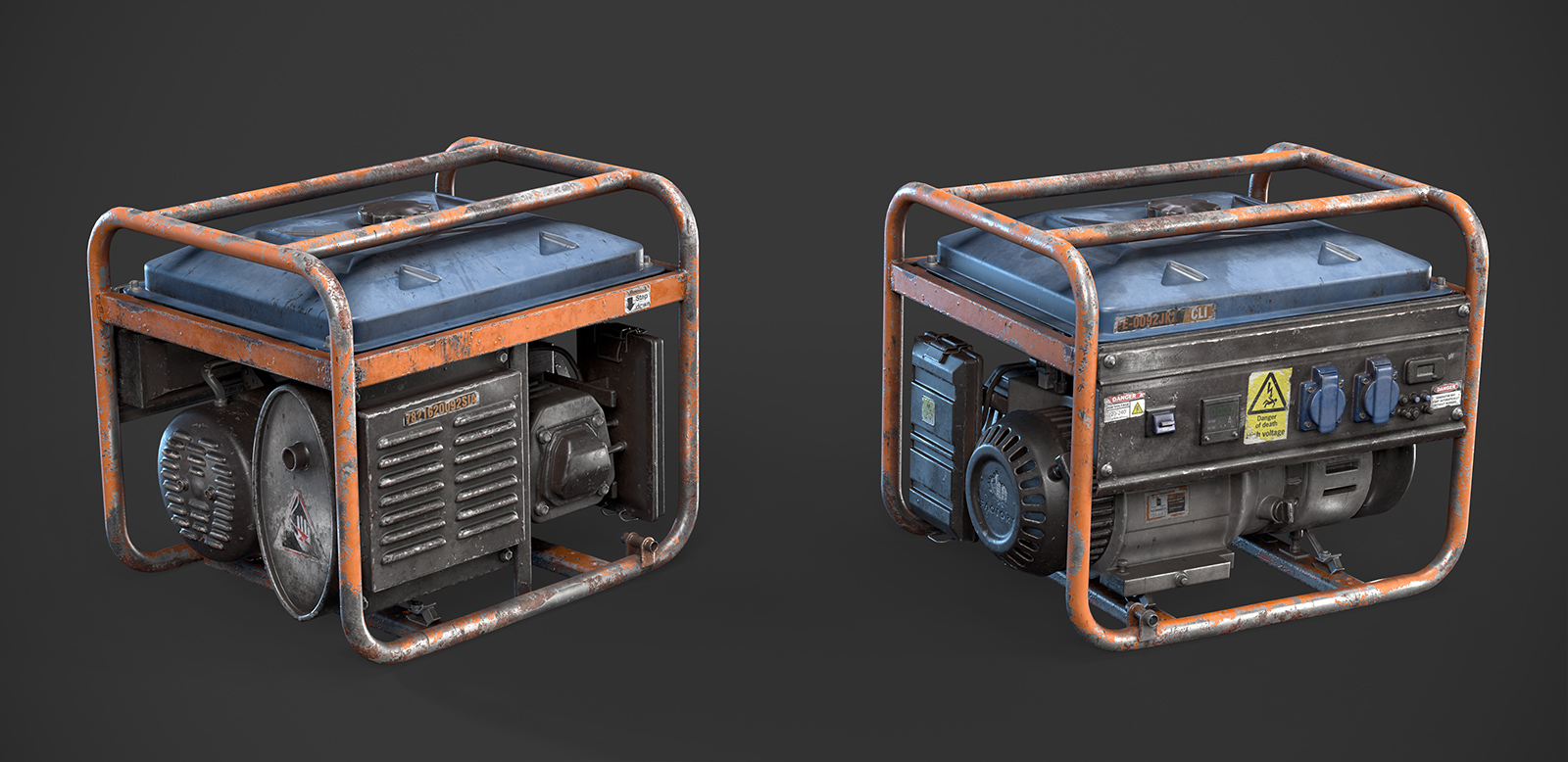
Props are the connective tissue of any digital universe. They establish realism, reinforce stylistic identity, and add layers of story to the environment. A 3D art studio creates props of varying complexity — from simple decorative items to intricate mechanical devices or iconic weapons essential to gameplay.
These objects must reflect the game’s mood and material logic. A stylized world may call for simplified shapes and bold colors, while a realistic one demands subtle surface imperfections, lived-in wear, and physically accurate materials. Studios evaluate scale, silhouette clarity, polycount needs, and engine constraints to ensure each object enhances both gameplay readability and atmospheric depth. Even the smallest item contributes to the authenticity and emotional tone of the world.

How 3D Art Studios Build Their Production Pipelines
Developing Style Guidelines and Visual Direction
Before production begins, a 3D art studio collaborates closely with the developer to solidify the game’s visual identity. This stage isn’t just about collecting references — it’s about understanding the deeper emotional goals behind the project. Art directors explore the tone, pacing, audience expectations, platform needs, and narrative themes that define the world. With this insight, they craft style guides that outline everything from shape language and proportions to material logic, preferred lighting setups, and texturing approaches.
These guides serve as the creative backbone of the entire pipeline. They ensure that no matter how many artists join the project or how much the content grows, the visual cohesion remains strong. This consistency is crucial because games often evolve over long production cycles. With a robust visual direction in place, new assets can be added effortlessly while maintaining the emotional and stylistic integrity of the existing world.
Technical Preparation and Optimization
Once the style is established, the studio builds the technical foundation required for smooth production. This includes planning polygon budgets, defining LOD strategies, outlining texture resolution standards, and identifying shader constraints based on the target platform. A mobile project might require strict optimization guidelines to maintain performance, while PC and console titles may allow more resource-intensive models with advanced surface detail or complex material setups.
A strong 3D art studio ensures every asset meets these specifications without compromising artistic intent. Artists create clean topology, efficient UV layouts, and texture maps that preserve detail while respecting memory limits. The technical team also works directly with the developers to align on engine requirements, naming conventions, and asset integration workflows. This proactive approach prevents future bottlenecks and reduces the need for time-consuming rework.
Iterative Review, QA, and In-Engine Checks
A defining feature of professional 3D pipelines is the emphasis on iterative development. Instead of delivering final models all at once, studios break the process into clear stages: blockout, mid-detail, high-detail sculpt, textured preview, and final polish. Each stage is reviewed by art leads and directors to ensure consistency, gameplay relevance, and adherence to style. This layered oversight catches issues early, saving both time and resources.
Equally important is the in-engine validation phase. Assets can look different depending on lighting systems, post-processing, and shader interactions within the game environment. By testing models inside the actual engine, studios verify that silhouettes remain readable, materials react correctly to light, and performance metrics stay within acceptable limits. This step ensures that the final assets function exactly as intended inside the larger world, reinforcing both artistic quality and technical reliability.
Key Advantages of Working With a 3D Art Studio
Access to Highly Specialized Talent
One of the strongest advantages of partnering with a 3D art studio is the immediate access to specialists whose expertise spans multiple artistic and technical disciplines. Modern games require a wide range of skills — from hard-surface modeling and organic sculpting to material creation, lighting logic, rigging, and engine-ready optimization. Finding all of these abilities within a single in-house team is challenging, costly, and often unrealistic for studios that must scale their content rapidly.
A 3D art studio solves this problem by gathering artists who have spent years refining their craft across various project types and visual styles. This diversity allows developers to explore creative directions with confidence, knowing they can rely on sculptors for expressive characters, environment artists for atmospheric locations, and technical artists for efficient topology and shader setups. This concentrated expertise elevates the overall quality of the game, ensuring that every asset supports style consistency, emotional tone, and gameplay clarity.
Ability to Scale and Adapt to Production Needs
Game development rarely follows a predictable rhythm. Some phases require large bursts of content — new levels, seasonal updates, major features — while others slow down to focus on refinement and polish. A professional 3D art studio adapts seamlessly to these fluctuations. When production ramps up, the partner expands the team, assigns additional specialists, and increases pipeline throughput. When content needs decrease, the workload scales back without the overhead of maintaining a large internal staff.
This flexibility becomes invaluable during long-term development cycles or in live-service environments. Studios can deliver massive amounts of content in a short time without sacrificing quality or consistency. Developers gain peace of mind knowing they have the capacity to meet deadlines, support new features, and adjust direction quickly, all while preserving the visual integrity of the game.
Reduced Risk, Higher Quality, and Long-Term Consistency
Another significant advantage of working with a 3D art studio is the reduction of production risk. Because these teams operate with well-defined pipelines, multiple layers of review, and dedicated quality-check procedures, they minimize errors that often occur when timelines tighten or gameplay changes mid-progress. Their structured approach ensures assets fit the game’s style, function efficiently in the engine, and maintain coherence with previously produced content.
This consistency becomes even more critical in games that evolve through expansions, seasonal content, or multi-year development. A reliable partner keeps track of style decisions, material logic, color strategies, and render preferences, making sure that every new asset feels like a natural extension of the game world. Over time, the external studio becomes a guardian of visual identity, supporting developers not just with production power but with deep artistic continuity.
Ultimately, these advantages help developers maintain stability, creativity, and momentum — allowing them to focus on innovation while the 3D art studio ensures that every visual element meets the project’s highest standards.
Why Emotions, Not Services, Drive Today’s Collaborations
Building Games That Feel Alive
In today’s industry, the success of a game is increasingly tied to its emotional resonance. Players don’t simply want a functional world — they want to feel something when they experience it. This shift has fundamentally changed how developers collaborate with 3D art studios. It’s no longer just about producing clean topology or delivering models on time; it’s about crafting art that carries mood, personality, and atmosphere. A well-designed character can evoke empathy long before it speaks. A carefully lit environment can set the emotional temperature of an entire narrative moment.
Because of this, studios now expect external partners to understand the emotional goals behind every asset. A character must express vulnerability, mischief, bravery, or charm through silhouette alone. A prop must feel like it belongs to someone with a story. Even the surface qualities of materials — the softness of fabric, the coldness of metal, the warmth of wood — influence how players connect with the world. A strong 3D art studio recognizes these subtleties and shapes models not just through technical skill, but through emotional intention.
Creating Collaborative Partnerships, Not Vendor Relationships
As the creative expectations rise, the relationship between developers and 3D art studios evolves into something more akin to an artistic partnership. Instead of exchanging tickets and following rigid instructions, both teams engage in collaborative conversation: discussing narrative motivations, exploring stylistic nuances, and refining emotional purpose. This approach enables external artists to contribute insights that enhance the creative vision instead of merely executing tasks.
Developers increasingly look for partners who feel like an extension of their internal team — people who understand the world they’re building, the values that define it, and the subtle emotional threads that make it memorable. The most successful collaborations arise when both sides share a sense of ownership over the project. The external team isn’t simply “delivering assets”; they are helping craft the game’s voice and personality. This deeper involvement builds trust, accelerates production, and produces more coherent, emotionally engaging results.
Trust, Transparency, and Creative Empathy
At the heart of modern outsourcing partnerships lies a foundation of trust and creative empathy. Developers want to feel confident that the studio supporting them understands not only what they need, but why they need it. The best 3D art studios invest time in learning the project’s emotional context and use that understanding to guide every artistic decision. They anticipate when a scene should feel more intimate, when a creature design requires stronger presence, or when a prop needs additional narrative detail to enrich the world.
This kind of empathy elevates the entire collaboration. It reduces friction because both sides operate with the same emotional compass. It inspires better creative outcomes because artists feel connected to the story rather than mechanically producing assets. And it strengthens long-term relationships because developers know the partner genuinely cares about the game’s success, not just the workload placed before them. In an industry defined by fast iteration and evolving expectations, emotional alignment becomes one of the most powerful tools for building meaningful, long-lasting partnerships.
Challenges Developers Face — and How 3D Art Studios Solve Them
Maintaining Consistency Across Large Asset Libraries
As games expand, maintaining a unified visual identity becomes increasingly difficult. Different levels, updates, and gameplay systems often require new assets created over long periods of time, sometimes by different artists or even different internal teams. Without a strong artistic framework, the game gradually accumulates subtle inconsistencies: a slightly different approach to materials, variations in color intensity, mismatched proportions, or lighting that feels just a bit out of place. These may seem minor in isolation, but together they can weaken the world’s coherence and affect player immersion.
A professional 3D art studio solves this challenge by acting as a central guardian of style. Through established art direction, internal reviews, and clearly documented visual rules, they ensure that every asset — from a hero model to the smallest prop — adheres to the same artistic logic. Their pipelines include early approvals, iterative checkpoints, and final QA reviews that catch inconsistencies long before they reach the game engine. Because the studio works with unified standards and trained specialists, they prevent style drift even during large-scale or long-term production. This preserves the game’s visual identity and strengthens the emotional continuity players feel as they explore the world.
Meeting Deadlines Without Sacrificing Quality
Game production rarely happens in calm, predictable cycles. Features evolve, content needs spike unexpectedly, and marketing schedules often require assets much earlier than anticipated. Internal teams trying to handle these fluctuations alone can easily become overwhelmed. The result is rushed work, reduced attention to detail, and increased pressure that eventually affects both morale and output quality.
A 3D art studio mitigates this by offering scalable capacity and built-in production resilience. Their teams can expand quickly, assigning additional specialists when a project requires urgent support or high-volume production. Because their pipelines are structured around efficiency — with clear task delegation, well-organized communication channels, and role-specific expertise — they can handle tight deadlines without compromising artistic integrity. This ability to stabilize production under pressure allows developers to meet aggressive schedules while maintaining a polished visual standard.
Adapting to Technical Requirements and Engine Constraints
Even the most beautiful asset fails if it does not behave correctly inside the engine. Technical constraints such as polygon budgets, texture memory, shader compatibility, LOD transitions, or real-time lighting can dramatically reshape how an object must be constructed. Internal teams may not always have the specialized knowledge needed to optimize models for different platforms, especially when a project targets multiple devices such as mobile, PC, or console.
3D art studios address this challenge with deep technical expertise built into their workflow. Their artists and technical specialists are trained to create assets that meet both artistic goals and engine requirements. They ensure that topology remains clean, UVs are efficient, and materials work across different lighting systems. Before final delivery, assets undergo in-engine testing to verify silhouette clarity, performance stability, and correct shading under various conditions. This approach minimizes integration issues and reduces the amount of time developers spend fixing technical problems themselves.
By balancing creativity with technical precision, 3D art studios ensure that assets not only look right but function exactly as intended within the game — a crucial factor in achieving a seamless and visually cohesive experience.
How to Choose the Right 3D Art Studio
Look for Style Compatibility and Artistic Maturity
Choosing the right 3D art studio begins with understanding whether their artistic approach aligns with the emotional identity of your game. It’s not enough for a studio to produce technically accurate models — they must be able to express your world’s tone through shape language, color choices, material detail, and overall rendering logic. When reviewing portfolios, developers should look for consistency across an entire project rather than isolated standout pieces. Cohesion reveals far more about a studio’s ability to maintain style alignment over time.
Artistic maturity also shows through how a studio handles nuance. Can their characters convey subtle emotions? Do their environments feel balanced in composition and storytelling? Are materials treated with deliberate control rather than generic texturing? A mature studio understands how to simplify or exaggerate visual elements depending on the game’s target audience and platform. This blend of technical skill and artistic sensitivity is what ultimately allows an external team to merge seamlessly with the internal vision of a project.
Evaluate Communication Style and Responsiveness
While artistic ability is crucial, communication is often what determines whether a collaboration succeeds long-term. A reliable 3D art studio listens carefully, asks the right questions, clarifies uncertainties early, and establishes a feedback rhythm that keeps production running smoothly. When communication is transparent and proactive, misunderstandings are minimized, revisions become faster, and both teams remain aligned.
Responsiveness also reflects a studio’s understanding of the developer’s realities. Game production can change rapidly, and an ideal partner adapts without resistance. They provide regular updates, share intermediate work to avoid misdirection, and approach feedback as a collaborative tool rather than a list of corrections. When communication feels effortless, the partnership gains momentum and creative flow, allowing both teams to deliver their best work consistently.
Consider Technical Expertise and Production Workflow
Beyond creative alignment, a strong 3D art studio must demonstrate solid technical understanding. Every asset they deliver must fit the game engine’s constraints, maintain performance stability, and integrate cleanly without requiring excessive post-processing by the internal team. Developers should pay close attention to how a studio structures topology, organizes UVs, builds materials, and prepares files for integration. These technical details determine how efficiently the development pipeline will function.
A dependable studio also follows clear, methodical workflows that emphasize quality checks and iterative approvals. They break production into manageable stages, ensuring feedback can be incorporated early rather than at the final delivery stage. This kind of discipline not only protects visual consistency but also saves time for the developer, who can rely on predictable delivery cycles. When a 3D art studio demonstrates both artistic finesse and technical precision, it becomes an invaluable partner that enhances the entire production pipeline.
Final Thoughts on the Future of 3D Art Partnerships
As the gaming industry continues to evolve, the relationship between developers and 3D art studios is transforming into something far more strategic and emotionally driven than ever before. What once functioned as a practical solution for handling production overflow has now become a central pillar of creative development. Studios are no longer merely contributing assets; they help define the tone, shape the emotional atmosphere, and support the long-term visual identity of the game. This shift is reshaping expectations on both sides, encouraging deeper dialogue, clearer artistic alignment, and more intentional collaboration.
Looking ahead, successful partnerships will depend on the ability to integrate creativity with technical precision. Developers will seek teams who understand not only artistic direction but player psychology, storytelling rhythms, and stylistic nuance. Games will require more expressive characters, more immersive environments, and visuals that remain flexible enough to adapt to expanding worlds and evolving mechanics. In this context, 3D art studios capable of blending innovation with consistency will become indispensable allies in achieving long-term success.
Another defining characteristic of future collaborations will be continuity. As more games adopt live-service models, studios must maintain a stable visual identity across years of updates. Outsourcing partners who can preserve emotional tone while introducing fresh artistic themes will become essential to sustaining player engagement. This balance between familiarity and evolution is delicate, and only teams with strong internal direction, communication discipline, and creative empathy will consistently achieve it.
Ultimately, the future of 3D art partnerships is rooted in shared purpose. When developers find a partner who understands their world, their audience, and their emotional goals, the collaboration becomes more than a workflow — it becomes a long-term creative relationship that enriches the game at every stage of its life cycle. For those seeking a partner capable of combining artistic mastery with technical reliability and emotional insight, one of the strongest choices remains AAA Game Art Studio.
Contacts
Contact Information
Please use contact information below. If you want to send us a message, please use our contact form to the right and we will respond promptly.
Social links: